SOUTHWEST SELF-RELIANCE


Small Game Animals
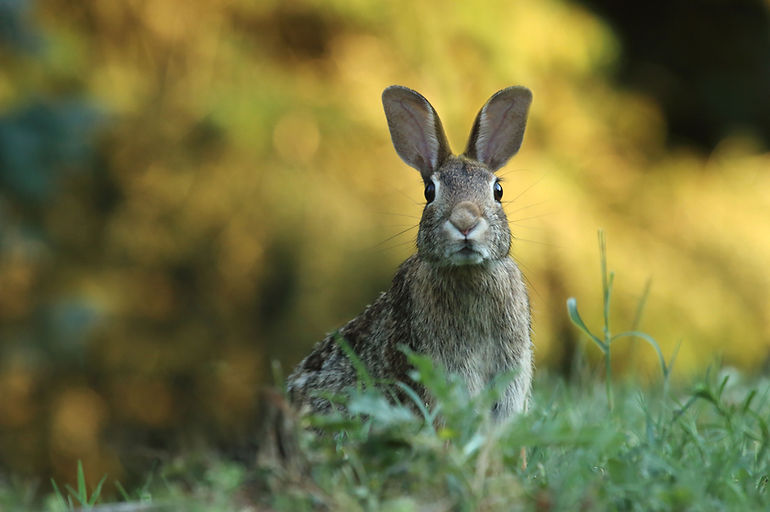
1. Eastern Cottontail Rabbit
Hunting: One of the most common and accessible small game animals.
Meat: Mild, lean, and tender; great for stews or roasting.
Conservation: Populations are stable; hunting supports traditional small-game heritage.
2. Snowshoe Hare
Hunting: Popular in northern forests; excellent for tracking in snow.
Meat: Lean, flavorful meat.
Conservation: Populations cycle naturally with predator-prey dynamics (especially lynx).
3. Jackrabbits (Black-tailed, White-tailed)
Hunting: Often considered varmint hunting; challenging due to speed.
Meat: Edible, though lean and somewhat tough; best slow-cooked.
Population Control: Hunted in areas where they damage crops or overpopulate.
4. Squirrel
Hunting: Classic small game for beginners and seasoned hunters alike.
Meat: Mild, nutty flavor; very good eating when young.
Conservation: Healthy populations in woodlands; hunting supports balance with forests.
5. Chipmunks
Conservation: Usually protected; rarely hunted.
Notes: Included for completeness; occasionally managed as pests.
6. Raccoon
Hunting: Pursued with hounds; traditional fur and meat animal.
Meat: Edible when cleaned and cooked properly; dark and rich.
Fur: Historically valuable in the fur trade.
Population Control: Helps reduce nuisance populations in urban areas.
7. Opossum (Virginia Opossum)
Hunting: Occasional small-game target, often for fur or population control.
Meat: Edible but oily; traditional food in some regions.
Conservation: Abundant; helps with pest cleanup in ecosystems.
8. Skunk
Population Control: Managed as a nuisance species.
Fur: Historically trapped for pelts.
Conservation: Widespread and stable populations.
9. Beaver
Trapping: Valued for fur and castoreum (used in scenting).
Meat: Edible; tail fat was historically prized.
Conservation: Once overhunted, now thriving through management and reintroduction.
10. Muskrat
Trapping: Common furbearer.
Meat: Edible; occasionally eaten by trappers.
Conservation: Abundant in wetlands; indicator of healthy aquatic ecosystems.
11. Groundhog (Woodchuck)
Hunting: Pest control for farmers and gardeners.
Meat: Edible when young; mild flavor.
Conservation: Common and adaptive to human landscapes.
12. Prairie Dog
Population Control: Hunted to protect grasslands and livestock forage.
Conservation: Some colonies protected due to ecological importance for predators.
Hunting: Varmint shooting target.
13. Weasel / Mink
Trapping: High-value fur species.
Conservation: Managed for fur harvest and population balance.
Meat: Rarely eaten.
14. Porcupine
Hunting: Occasionally taken for food or pest control.
Meat: Edible and fatty; emergency food source in the wild.
Conservation: Stable populations in forested regions.
15. Armadillo
Population Control: Often considered a nuisance animal.
Meat: Historically eaten (“possum on the half shell”), but not recommended due to disease risk.
Conservation: Expanding range; generally not threatened.